
Pediatric Fillings in Springfield, VA

Even with the best home care and prevention, children sometimes get cavities. When they do, Springfield Dental Care provides gentle, kid-friendly fillings that protect the tooth and look completely natural. Dr. Zaiber uses tooth-colored composite fillings designed for children's teeth, with techniques and timing that keep the experience as comfortable as possible. We never push treatment your child doesn't truly need - and when treatment is needed, we explain everything in age-appropriate language so your child knows what to expect.
Why Baby Teeth Need to Be Treated
A common question we hear from parents is, 'Why fix a baby tooth that will just fall out?' It's a fair question, and the answer matters. Baby teeth aren't placeholders - they're functional teeth that hold space for permanent teeth, support proper jaw growth, help with speech development, and let children eat a healthy variety of foods. Some baby teeth (like the second molars) don't fall out until age 11 or 12, meaning a cavity left untreated at age 6 could mean five or more years of problems.
Untreated cavities in baby teeth can cause pain, abscesses, and infections that affect the developing permanent teeth underneath. Severe untreated decay can require extraction - and losing a baby tooth too early often leads to crowding or alignment problems in the permanent teeth that follow. Treating cavities promptly when they're small is far easier, more comfortable, and less expensive than waiting until the problem grows.
That said, not every dark spot on a baby tooth is a cavity, and not every cavity needs immediate treatment. We use a conservative approach: if a tooth has early decay that hasn't broken through the enamel and your child is at low cavity risk, we may monitor it and use fluoride to try to remineralize it instead of jumping straight to a filling. We treat your child's mouth like our own would be treated.
Tooth-Colored Fillings for Kids
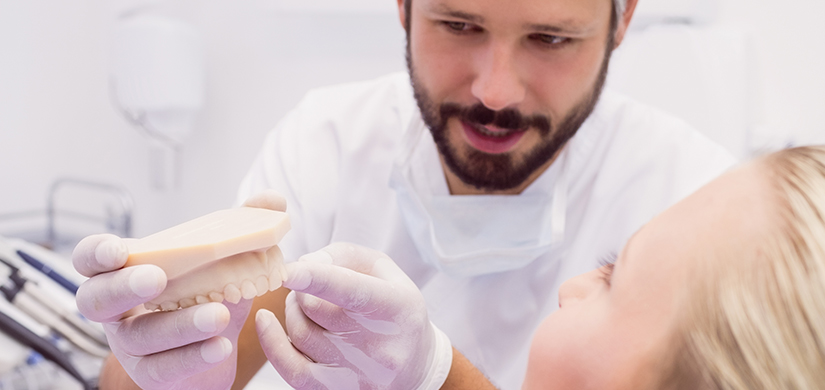
We use tooth-colored composite resin fillings for children - never silver amalgam. Composite fillings match the natural color of the tooth so they're virtually invisible, they bond directly to the tooth structure (which means we can remove less of the healthy tooth), and they contain no mercury. For children whose smiles are still developing, the aesthetic and conservative nature of composite is especially valuable.
Modern composite materials are durable enough for the chewing forces in a child's mouth and last well until the baby tooth naturally falls out. For larger cavities or teeth that will be in the mouth for many more years, we may recommend a stainless steel crown - a small, pre-made metal cap that covers the entire tooth. These look more noticeable but are extremely durable and the gold standard for severely decayed baby molars.
How a Pediatric Filling Appointment Goes
- 1
Comfort and explanation
We start by explaining what's going to happen using kid-friendly language. We show your child the tools (sometimes called the 'tooth whistle' or 'water sprayer'), let them touch them, and answer any questions. Parents are welcome to stay throughout.
- 2
Numbing
We use a topical numbing gel before any injection so the small needle stick is barely noticeable. For very anxious children or larger fillings, we may also offer nitrous oxide (laughing gas) to help your child feel relaxed. The numbing wears off in 1-2 hours.
- 3
Cleaning the cavity
Using a small, high-speed drill or sometimes a quiet hand tool, we gently remove only the decayed part of the tooth. For very small cavities in cooperative children, we can sometimes do this without any drill at all.
- 4
Filling the tooth
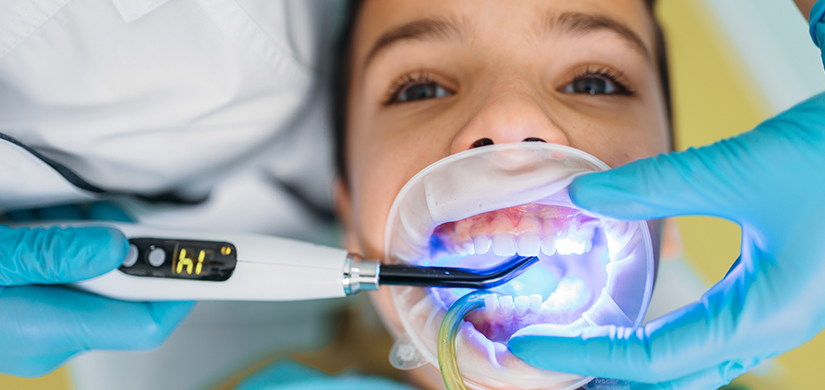
We place the tooth-colored composite material in layers, hardening each layer with a blue curing light. We shape the filling to match your child's bite and polish it smooth.
- 5
All done!
The whole process typically takes 30-45 minutes per tooth. Your child gets a sticker or small prize, and we go over any care instructions. Eating and drinking can resume after the numbness wears off.
Sedation Options for Anxious Children
Most children do fine with just local anesthetic and our kid-friendly approach. For children who are very anxious, very young, or who need extensive treatment, we offer nitrous oxide (laughing gas) - a safe, mild sedative inhaled through a small mask over the nose. It helps children feel relaxed and a bit floaty during the procedure, with the effects wearing off completely within minutes after we remove the mask. Children can return to normal activities the same day.
For children with severe anxiety or special healthcare needs who can't tolerate treatment in a regular dental setting, we can refer to a pediatric specialist who offers deeper sedation in a hospital setting. We'll always discuss all the options with you and recommend the gentlest approach that will get the work done safely.
Preventing Future Cavities
- Brush twice daily with a fluoride toothpaste - pea-sized amount for children over 3, rice-grain amount for younger children
- Floss any teeth that touch each other, at least once daily
- Limit sugary drinks, sticky candies, and frequent snacking between meals
- Drink fluoridated water (most municipal water in our area is fluoridated)
- Get dental sealants on the chewing surfaces of permanent molars as soon as they erupt
- Bring your child for regular cleanings and exams every 6 months
Frequently asked questions
Have more questions about pediatric fillings? Call us at (703) 569-2822 - we're happy to help.
Baby teeth often stay in the mouth for many years - the back molars don't fall out until age 11 or 12. An untreated cavity can cause pain, abscess, and damage to the developing permanent tooth underneath. Treating it early is far easier and more comfortable than waiting until the problem grows.
No, we only use tooth-colored composite fillings for our pediatric patients. Composite is mercury-free, matches the tooth color, and allows us to remove less healthy tooth structure during the filling. For severely decayed back molars, we may sometimes recommend stainless steel crowns instead, which are extremely durable.
Most children describe it as more annoying than painful. The numbing injection feels like a pinch, but a topical numbing gel beforehand makes it barely noticeable. After numbing, your child shouldn't feel any pain during the procedure - just pressure and the sound of the tools. We check in with them frequently and pause anytime they need a break.
Yes, your child can eat right away, but please wait until the numbness fully wears off (typically 1-2 hours) so they don't accidentally bite their cheek, lip, or tongue. Soft foods are best for the rest of the day. After the numbness wears off, your child can resume normal eating - composite fillings are fully hardened by the time you leave the office.
Most dental insurance plans cover composite fillings on baby teeth at 70-80% after any deductible. We're in-network with most major plans and verify your benefits before the appointment so you know exactly what to expect. For families without insurance, we offer flexible financing through CareCredit.
We make pediatric fillings easier to plan
Springfield Dental Care accepts most major dental insurance plans. Before your visit, our team can verify your benefits, explain how coverage may apply, and provide a clear estimate so you can make confident decisions about care.

Related procedures at Springfield Dental Care
Children's Cleanings & Exams
Gentle, kid-friendly dental visits that build lifelong healthy habits

Fluoride Treatments & Dental Sealants
Two of the most effective ways to prevent childhood cavities
Tooth-Colored Fillings
Strong, invisible restorations that match your natural teeth

Comprehensive Oral Examinations
Thorough, careful evaluation of your complete oral health
Let's talk about your pediatric fillings
Come in for a consultation with Dr. Zaiber. We'll examine your situation, explain your options, and recommend the right approach - with no pressure to commit.